
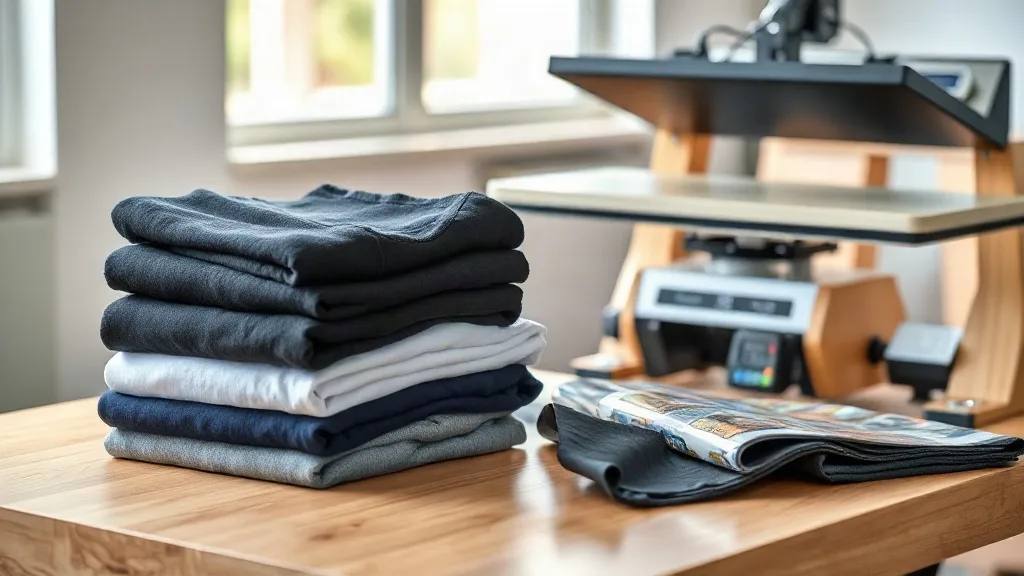
When it comes to creating standout apparel with DTF printing, the blank you choose can make or break the final product. Among the many options available, shaka wear has earned a loyal following among printers who demand reliability and quality. In this guide, we'll dive into what makes Shaka Wear a preferred choice for DTF enthusiasts, from fabric composition to fit and finish. Whether you're a seasoned pro or just starting out, understanding these nuances will help you achieve consistent, professional results.
Why Shaka Wear Stands Out in the DTF Printing Community
Shaka Wear is a brand known for its heavyweight and midweight blanks that offer a perfect balance of durability and comfort. Unlike some blanks that feel flimsy or shrink after washing, Shaka Wear garments are constructed with tight knitting and quality cotton, ensuring they hold their shape and provide a smooth printing surface. This is crucial for DTF transfers, which require a flat, even surface to adhere properly and withstand repeated wear.
Another reason Shaka Wear is a go-to for DTF printers is their consistent sizing and color accuracy. When you're producing multiple pieces for a team or event, consistency is key. Shaka Wear delivers reliable sizing across batches, so your customers get the fit they expect every time. Plus, their extensive color palette means you can match almost any design requirement without compromising on quality.
Fabric Composition and Its Impact on DTF Adhesion
Most Shaka Wear blanks are made from 100% cotton or cotton-poly blends. For DTF printing, a high cotton content is generally preferred because it provides a porous surface that allows the adhesive powder to bond effectively. However, Shaka Wear's poly blends are also engineered to accept DTF transfers well, especially when proper pressing parameters are followed. The key is to adjust your heat press settings based on the fabric type: cotton requires slightly higher temperature and pressure, while blends may need a bit less heat to avoid scorching.
One thing to note is that Shaka Wear's heavyweight tees (like the 7.5 oz styles) have a denser weave, which can sometimes require a slightly longer press time to ensure the transfer fully cures. We recommend doing a test press on a scrap piece to dial in your settings before running a full batch.
Choosing the Right Shaka Wear Style for Your DTF Projects
Shaka Wear offers a variety of styles, from classic crewnecks to hoodies and tank tops. The best choice depends on your target audience and the intended use of the garment. For example, if you're printing for a streetwear brand, the oversized heavyweight tees are a popular option. For corporate events or team uniforms, the midweight ring-spun cotton tees offer a softer hand feel and a more tailored fit.
When selecting a style, consider the print area and design intricacy. Shaka Wear's hoodies often have seams and pockets that can interfere with large DTF transfers. In such cases, it's wise to keep designs within the printable zones or use smaller, strategically placed graphics. Additionally, the fabric's texture can affect the final look: a smooth, tight-knit surface will showcase fine details better than a slub or textured fabric.
Popular Shaka Wear Blanks for DTF Printing
- Shaka Wear Heavyweight Tee (7.5 oz): Ideal for bold, large designs; provides a substantial canvas that holds up well.
- Shaka Wear Ring-Spun Tee (5.5 oz): Softer feel, great for retail-quality merchandise with intricate details.
- Shaka Wear Fleece Hoodie: Perfect for colder months; requires careful pressing to avoid uneven transfer on seams.
- Shaka Wear Tank Top: Popular for summer events and gym wear; lightweight and breathable.
Maximizing Efficiency with DTF Gangsheet Builder
If you're producing multiple Shaka Wear pieces, efficiency is paramount. That's where a DTF Gangsheet Builder comes into play. This tool allows you to arrange multiple designs on a single sheet, maximizing your transfer film usage and reducing waste. By planning your gangsheet layout, you can print transfers for an entire batch of Shaka Wear tees in one go, saving time and money.
When building a gangsheet for Shaka Wear blanks, keep in mind the size and placement of each design. For example, left-chest logos and full-back prints can be combined on one sheet if you plan the spacing correctly. The DTF Gangsheet Builder from Harwin DTF is user-friendly and lets you upload your artwork, arrange it, and calculate film dimensions instantly. This streamlines your workflow and ensures you get the most out of every print run.
Step-by-Step Guide to Printing on Shaka Wear Blanks
- Pre-press preparation: Pre-heat your Shaka Wear garment for 5-10 seconds to remove moisture and wrinkles. This helps the transfer adhere evenly.
- Position the transfer: Place your DTF transfer on the garment, ensuring it's centered and straight. Use heat-resistant tape if needed.
- Press: Set your heat press to 325°F (160°C) for cotton, or 300°F (150°C) for blends. Apply medium pressure for 10-15 seconds.
- Peel: Wait a few seconds for the transfer to cool slightly, then peel the film in a smooth, continuous motion. For a matte finish, peel while hot; for glossy, peel cold.
- Post-press: Cover the design with a Teflon sheet or parchment paper and press again for 5 seconds to ensure the transfer is fully embedded into the fabric.
Following these steps will help you achieve vibrant, long-lasting prints on Shaka Wear blanks. Remember to always test your settings on a scrap piece first, as individual heat presses may vary.
Common Challenges and Solutions When Printing on Shaka Wear
Even with high-quality blanks like Shaka Wear, you might encounter issues such as uneven transfer, cracking, or color fading. One common problem is insufficient pressure, which can cause the transfer to not adhere properly, leading to peeling after washing. Ensure your heat press is calibrated and apply consistent pressure across the platen.
Another challenge is the fabric's thickness. Heavyweight Shaka Wear tees may require a slightly longer press time to allow the heat to penetrate through the fabric and activate the adhesive. If you notice the transfer not sticking in some areas, try increasing the press time by 5 seconds and see if that resolves the issue.
For poly-blend Shaka Wear garments, be cautious with temperature to avoid scorching or melting. Use a lower temperature and monitor closely. Additionally, some dark-colored blanks may require a white underbase for vibrant colors, but DTF transfers already include a white layer, so you can print directly onto dark fabrics without pre-treatment.
Frequently Asked Questions
What makes Shaka Wear a good choice for DTF printing?
Shaka Wear blanks are known for their consistent quality, tight knit construction, and smooth surface, which allows DTF transfers to adhere well and last through many washes. Their heavyweight options also provide a premium feel that customers love.
Do I need to pre-treat Shaka Wear shirts before DTF printing?
No pre-treatment is necessary for DTF printing on Shaka Wear blanks. However, pre-pressing the garment to remove moisture and wrinkles is recommended for optimal adhesion.
How do I prevent cracking when printing on Shaka Wear hoodies?
Cracking can be minimized by ensuring even pressure and proper peel technique. For hoodies with seams, avoid placing the transfer directly over thick seams, or use a pressing pillow to compensate for uneven surfaces.
Can I use a DTF Gangsheet Builder for small batches of Shaka Wear?
Absolutely. The DTF Gangsheet Builder is scalable for any batch size. It helps you optimize film usage even for a single shirt by combining multiple designs or sizes on one sheet.
What is the best Shaka Wear style for oversized prints?
The Shaka Wear Heavyweight Tee (7.5 oz) is ideal for oversized prints due to its substantial fabric that can support large graphics without sagging. Its tight weave also ensures the transfer stays flat and smooth.