
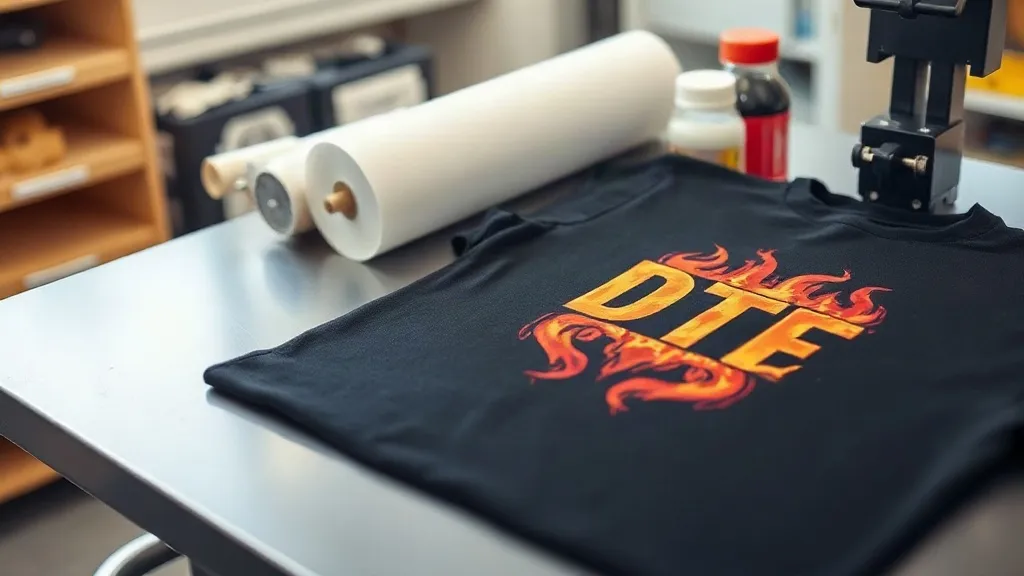
If you've been exploring custom apparel printing, you've likely come across dtf transfers as a game-changing technology. Unlike traditional methods that require specialized equipment or complex setups, DTF (Direct to Film) printing offers a versatile and accessible way to produce vibrant, durable designs on a wide range of fabrics. Whether you're a small business owner, a hobbyist, or a seasoned printer, understanding DTF transfers can open up new possibilities for your creative projects.
What Are DTF Transfers?
DTF transfers are a type of heat transfer that involves printing a design onto a special film, then applying it to fabric using a heat press. The process starts with a digital printer that lays down CMYK inks and a white underbase onto a PET film. A hot melt powder is then applied to the wet ink, which melts and adheres to the design. Once the powder is set, the transfer is ready to be pressed onto a garment. The result is a soft, stretchable, and highly detailed print that bonds permanently to the fabric.
Why Choose DTF Transfers?
There are several reasons why dtf transfers have become a popular choice among printers and apparel decorators. Here are some key benefits:
- Versatility: DTF transfers work on almost any fabric, including cotton, polyester, blends, and even nylon. This makes them ideal for printing on a wide range of garments, from t-shirts to hoodies and beyond.
- Vibrant colors: The combination of CMYK inks and white underbase produces bright, vivid colors that stand out. The white underbase also ensures that the colors pop on dark fabrics.
- Durability: When applied correctly, DTF transfers are highly durable and can withstand repeated washing without fading or cracking. The prints are also stretchable, making them suitable for activewear.
- No pre-treatment: Unlike DTG printing, DTF transfers do not require pre-treatment of the fabric, saving time and reducing costs.
- Cost-effective for small batches: DTF transfers are economical for short runs because you don't need screens or plates. You can print one-off designs or small batches without breaking the bank.
The DTF Transfer Process Step by Step
To achieve professional results with DTF transfers, it's important to follow the correct process. Here's a step-by-step overview:
- Design preparation: Create your artwork using graphic design software. Ensure the design is mirrored (flipped horizontally) before printing, as the transfer will be pressed face down onto the fabric.
- Printing: Load the DTF film into your DTF printer and print the design. The printer lays down the color inks followed by a white underbase.
- Powder application: While the ink is still wet, apply the hot melt powder evenly over the printed area. Shake off excess powder.
- Curing: Place the film in a curing oven or use a heat press to melt the powder. The powder should turn glossy and slightly textured.
- Pressing: Preheat your heat press to the recommended temperature (usually around 160°C or 320°F). Place the transfer face down onto the garment and press for 10-15 seconds with medium pressure. Peel the film while hot or cold, depending on the film type.
Choosing the Right DTF Supplies
The quality of your DTF transfers depends heavily on the supplies you use. Here are some factors to consider:
DTF Film
There are two main types of DTF film: hot peel and cold peel. Hot peel films allow you to remove the film immediately after pressing while it's still hot, which speeds up production. Cold peel films require the transfer to cool down before peeling, which can result in a smoother finish. Choose based on your workflow and preference.
DTF Ink
Use high-quality DTF inks that are specifically formulated for DTF printing. These inks are designed to flow smoothly and produce vibrant colors. Using inferior inks can lead to clogged printheads and poor adhesion.
Hot Melt Powder
The powder is a critical component that binds the ink to the fabric. Ensure you use a fine, uniform powder that melts evenly. The particle size affects the feel and durability of the final print.
Applications of DTF Transfers
DTF transfers are incredibly versatile and can be used for a variety of applications:
- Custom t-shirts: Create personalized designs for events, teams, or brands.
- Hoodies and sweatshirts: Add logos or artwork to comfortable apparel.
- Sportswear: Because DTF prints are stretchable, they're great for jerseys and activewear.
- Promotional items: Print on tote bags, hats, and other accessories.
- Small business branding: Produce branded merchandise without large minimum orders.
Tips for Successful DTF Transfers
To get the best results from your DTF transfers, keep these tips in mind:
- Test your settings: Every heat press and DTF printer is different. Always perform a test press to dial in the right temperature, pressure, and time.
- Store transfers properly: Keep unused transfers in a cool, dry place away from direct sunlight to prevent the powder from absorbing moisture.
- Pre-press garments: Before pressing the transfer, pre-press the garment for a few seconds to remove wrinkles and moisture. This ensures a smooth surface for adhesion.
- Use a Teflon sheet or parchment paper: When pressing, place a Teflon sheet or parchment paper over the transfer to protect your heat press and prevent ink from sticking.
- Peel correctly: Follow the film manufacturer's instructions for peeling. Peeling too early or too late can affect the print quality.
Finding DTF Transfers Near You
If you're looking to try DTF transfers but don't want to invest in a printer, you can order pre-printed transfers from suppliers. When searching for dtf transfers near me, consider factors like turnaround time, shipping costs, and minimum order quantities. Many suppliers offer online ordering with fast shipping, so you can get started quickly.
Common Mistakes to Avoid with DTF Transfers
Even experienced printers can run into issues with DTF transfers. Here are some common pitfalls and how to avoid them:
- Insufficient pressure: If the pressure is too low, the transfer may not adhere properly, leading to peeling. Make sure your heat press applies even pressure across the entire design.
- Wrong temperature: Too high a temperature can scorch the fabric or cause the ink to bleed. Too low, and the powder won't melt properly. Always follow the recommended settings.
- Moisture in the fabric: Moisture can create steam during pressing, which can ruin the transfer. Pre-press the garment to remove moisture.
- Using the wrong powder: Not all hot melt powders are created equal. Use a powder specifically designed for DTF printing.
- Peeling at the wrong time: Peeling too soon can cause the design to stretch or tear. Peeling too late might make it difficult to remove the film. Follow the film instructions.
Frequently Asked Questions About DTF Transfers
How long do DTF transfers last?
When applied correctly, DTF transfers can last as long as the garment itself. They are durable and can withstand many washes without significant fading or cracking. Proper care, such as washing inside out and avoiding high heat in the dryer, will extend their life.
Can I use DTF transfers on dark colors?
Yes, DTF transfers are excellent for dark fabrics because they include a white underbase that makes the colors pop. The white layer ensures that the design remains vibrant and opaque.
Do I need a special printer for DTF transfers?
Yes, DTF printing requires a DTF printer that uses DTF inks and can print on PET film. However, if you don't want to invest in a printer, you can purchase pre-printed DTF transfers from suppliers.
What fabrics work best with DTF transfers?
DTF transfers work on a wide range of fabrics, including cotton, polyester, blends, and even nylon. They are not recommended for fabrics with a heavy texture or coating, as the transfer may not adhere properly.
How do I store DTF transfers?
Store unused transfers in a cool, dry place, away from direct sunlight and moisture. Keep them flat to prevent creasing. Proper storage ensures the transfers remain usable for months.
Conclusion
DTF transfers offer a flexible, cost-effective solution for custom apparel printing. With their ability to produce vibrant, durable prints on almost any fabric, they are a valuable addition to any print shop or hobbyist's toolkit. By following the right techniques and using quality supplies, you can achieve professional results that impress your customers. Whether you're just starting out or looking to expand your offerings, DTF transfers are worth exploring.