
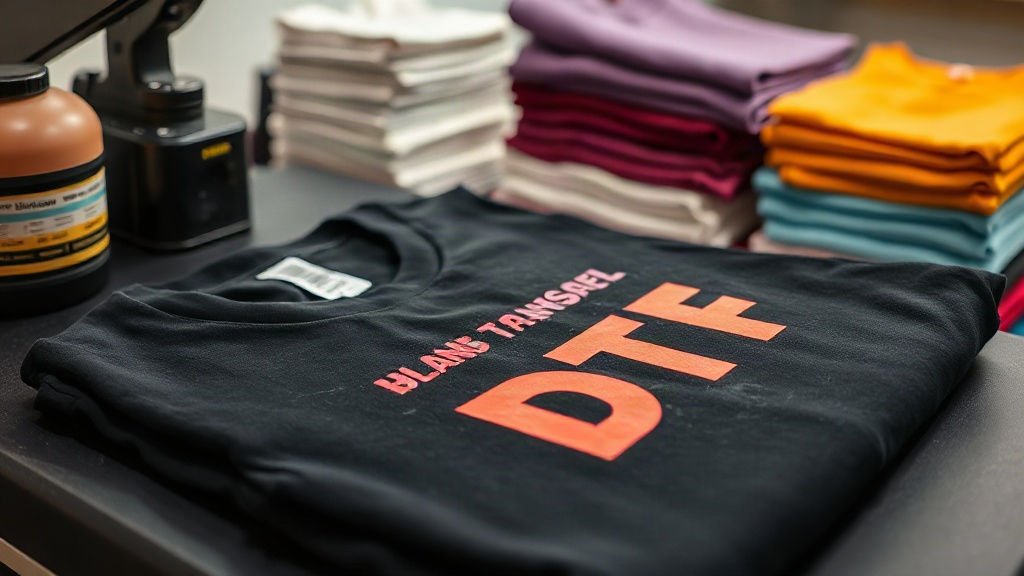
When you first start experimenting with DTF transfers, the excitement of peeling that film back to reveal a vibrant, detailed print never gets old. But as any seasoned decorator knows, the real challenge isn't just getting a good transfer; it's making that transfer look and feel like it belongs on the garment, wash after wash. That's where choosing the right blank makes all the difference. In this guide, we're diving deep into two popular options among professionals: Shaka Wear and Smart Blanks. Whether you're running a small print shop or just want to elevate your custom apparel game, understanding how these blanks interact with DTF transfers will save you time, money, and a lot of frustration.
Why DTF Transfers Are a Game-Changer for Custom Apparel
DTF transfers have exploded in popularity for good reason. Unlike vinyl or screen printing, DTF (Direct to Film) allows you to print full-color, photographic-quality designs without the need for weeding, color separations, or minimum order quantities. The process involves printing your design onto a special film, coating it with adhesive powder, and then heat-pressing it onto the fabric. The result is a soft, stretchable, and durable print that adheres to a wide range of materials, including cotton, polyester, and blends.
But not all fabrics are created equal. The surface texture, fiber content, and even the dye used can affect how well a DTF transfer bonds. That's why we're focusing on Shaka Wear and Smart Blanks. Both are well-regarded in the industry for their quality and consistency, but they have distinct characteristics that every decorator should know.
Shaka Wear: The Streetwear Favorite
Shaka Wear has become a go-to for streetwear brands and custom printers who want a heavyweight, boxy fit with a premium feel. Their t-shirts, hoodies, and crewnecks are known for their tight knit and smooth surface, which makes them an excellent canvas for DTF transfers. The dense fabric holds the adhesive well, and the print sits beautifully on top without sinking into the weave.
Fabric Composition and DTF Compatibility
Most Shaka Wear garments are made from 100% cotton or a cotton-poly blend. The 100% cotton options, like their popular TSHIRT model, provide a matte finish that works with any DTF transfer. The poly blends, on the other hand, can be a bit trickier because polyester fibers are smoother and can sometimes cause the transfer to slide during pressing. However, with proper temperature and pressure, you can achieve excellent results.
One thing to note: Shaka Wear often uses reactive dyes that are colorfast, meaning they won't bleed or fade easily. This is great for DTF because the transfer won't be affected by dye migration, a common issue with cheaper blanks.
Pressing Tips for Shaka Wear
- Pre-press: Always pre-press the garment for 3-5 seconds to remove moisture and wrinkles. This step is crucial for Shaka Wear because their heavyweight fabric can hold more moisture than lighter blanks.
- Temperature: Set your heat press to 325°F (160°C) for cotton and 300°F (150°C) for blends. Too hot, and you risk scorching; too cool, and the adhesive won't fully activate.
- Pressure: Use medium to firm pressure. Shaka Wear garments are thick, so you need enough pressure to push the adhesive into the fibers without flattening the print.
- Time: Press for 15-20 seconds. Peel the film warm or cold depending on the film manufacturer's instructions. Most modern DTF transfers are cold peel, but always check.
After pressing, give the garment a few seconds to cool before stretching it. This helps the adhesive set completely.
Smart Blanks: The Budget-Friendly Workhorse
Smart Blanks are a favorite among decorators who need reliable quality at an affordable price. They offer a wide range of styles, from basic tees to performance wear, and their consistent sizing and color options make them a staple for many print shops. When it comes to DTF transfers, Smart Blanks perform admirably, but there are a few nuances to keep in mind.
Fabric Composition and DTF Compatibility
Smart Blanks often use a 50/50 cotton-poly blend or 100% polyester for their performance styles. The cotton-poly blends are generally easy to work with, as the cotton provides a good surface for the adhesive to grip, while the polyester adds durability and wrinkle resistance. However, if you're working with their 100% polyester options, you'll need to adjust your pressing parameters to avoid dye migration and ensure proper adhesion.
One advantage of Smart Blanks is their consistent fabric finish. Because they are manufactured with DTF in mind, the surface is often pre-treated or finished to accept heat transfers well. That said, always test a small area if you're using a new color or style.
Pressing Tips for Smart Blanks
- Pre-press: Don't skip this! Even if the garment looks clean, pre-pressing removes sizing and moisture that can interfere with adhesion.
- Temperature: For cotton-poly blends, aim for 300-325°F (150-160°C). For 100% polyester, lower to 280-300°F (140-150°C) to prevent scorching and dye migration.
- Pressure: Medium pressure is usually sufficient. Smart Blanks are generally lighter than Shaka Wear, so you don't need to press as hard.
- Time: 10-15 seconds. Again, follow the film's instructions for peel type.
If you're using a DTF transfer on a dark Smart Blanks garment, consider using a white underbase or a transfer with a white layer to ensure the colors pop.
Comparing Shaka Wear and Smart Blanks for DTF Transfers
Both Shaka Wear and Smart Blanks are excellent choices for DTF transfers, but they cater to different needs. Shaka Wear is ideal for premium, streetwear-style projects where a heavy, structured feel is desired. Their garments tend to have a higher price point but offer a luxurious hand feel and excellent print results. Smart Blanks, on the other hand, are perfect for high-volume orders, promotional items, or budget-conscious clients. They are lighter, more affordable, and still deliver great print quality.
When deciding between the two, consider the end use. If you're printing a limited-edition hoodie for a fashion brand, Shaka Wear might be the better choice. If you're producing 500 t-shirts for a company event, Smart Blanks will keep your costs down without sacrificing too much quality.
Troubleshooting Common DTF Issues on These Blanks
Even with the best blanks and transfers, problems can arise. Here are some common issues and how to fix them:
- Transfer peeling after wash: This usually means insufficient pressure or time. Increase pressure and ensure you're pressing long enough. Also, make sure the garment is completely dry before pressing.
- Cracking: Cracking can occur if the transfer is stretched too much during application or if the garment is stretched excessively during wear. Use a stretchable DTF film and avoid over-stretching when positioning.
- Dye migration: This happens when the dye from the fabric bleeds into the transfer, especially on polyester. Use a low-bleed transfer or a barrier layer, and keep the temperature at the lower end of the range.
- Adhesive residue: If you see sticky residue around the print, you may have over-pressed. Reduce pressure or time slightly.
Frequently Asked Questions
Can I use DTF transfers on Shaka Wear hoodies?
Absolutely. Shaka Wear hoodies are typically made from heavyweight cotton or cotton-poly fleece, which takes DTF transfers very well. Just be sure to pre-press to remove moisture and use a pressing pillow to accommodate the thickness of the hoodie.
What's the best temperature for DTF transfers on Smart Blanks?
For Smart Blanks cotton-poly blends, 300-325°F (150-160°C) works well. For 100% polyester, lower to 280-300°F (140-150°C) to avoid dye migration and scorching.
Do I need to pre-treat Smart Blanks before applying DTF transfers?
Generally, no. Smart Blanks are designed to be DTF-friendly, but a quick pre-press is always recommended to remove any sizing or moisture. If you're working with a particularly difficult fabric, a light spray of DTF pre-treatment can help, but it's rarely necessary.
How durable are DTF transfers on these garments?
When applied correctly, DTF transfers on Shaka Wear and Smart Blanks can last 50+ washes without fading or cracking. Proper washing (inside out, cold water, no bleach) will extend the life of the print.
Can I layer DTF transfers on Shaka Wear for a multi-color design?
Yes, you can layer DTF transfers, but it's tricky. It's better to use a single transfer with all colors printed on it. If you must layer, press the first transfer for a few seconds, peel, then apply the second, and do a final press to fuse them together.
Final Thoughts
Choosing the right blank is half the battle in achieving professional DTF transfers. Shaka Wear and Smart Blanks each offer unique advantages, and with the tips in this guide, you can confidently press either one. Remember, the key is to test, adjust, and dial in your process for each fabric type. Happy printing!