
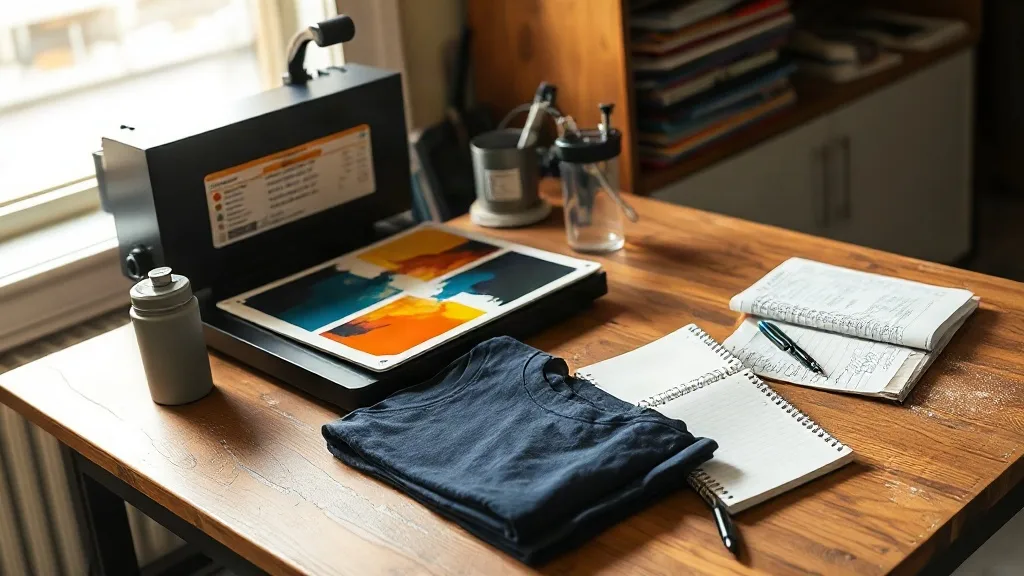
Walk into most small print shops today and you will see the same quiet shift. The heat press that used to sit idle between vinyl jobs is now running all afternoon, feeding out shirts in colors and fabrics that screen printing never handled well. Much of that work comes down to dtf transfers, a process that has moved from novelty to everyday tool for shops that need flexibility without buying a full press setup.
The appeal is simple. You print a design onto film, dust it with adhesive powder, cure it, and then press it onto fabric with heat. No color separations, no screens, no minimum order of 144 pieces. For a shop doing one-off team jerseys, family reunion shirts, or a batch of 30 hoodies for a local business, that changes the math entirely.
What Actually Happens Inside a DTF Transfer
Understanding the layers helps you troubleshoot when something goes wrong, and it will. A finished transfer is basically four things stacked together: a PET film carrier, a printed ink layer, a hot-melt adhesive powder, and then the fabric itself once pressed.
The printer lays down white ink first, then color on top. That white base is the reason dtf works on dark garments and on fabrics that resist other methods. When you press the transfer, the adhesive powder melts into the fibers and grabs hold while the ink layer sits on the surface.
Why the White Layer Matters More Than You Think
If your white ink is thin or uneven, colors will look washed out and the transfer may crack after a few washes. Most quality issues that shop owners blame on the press trace back to white ink density or to film that absorbed moisture during storage. Keep your film sealed until use, and check your white layer under good light before you press anything.
Fabric Choices and the Limits You Should Know
DTF handles a wide range of materials, but not everything. Here is how it behaves across the fabrics you will see most often:
- 100% cotton: The most forgiving option. Adhesion is strong and the hand feel softens after the first wash.
- Cotton/poly blends: Reliable, though very high poly content can shift the color slightly.
- 100% polyester: Works, but you need to lower your press temperature or the fabric can glaze or dye-migrate into the transfer.
- Nylon and treated synthetics: Hit or miss. Test a scrap piece before committing a full order.
- Mesh and heavily textured fabrics: The adhesive needs a flat surface. On coarse mesh, coverage will be patchy.
Dye migration is the one that catches people out. On cheap red or navy polyester, the dye can sublimate into your transfer under heat and tint the white layer pink or blue. Lower temperatures and shorter press times help, and some shops use a blocker film underneath for problem garments.
Press Settings That Save You Rework
Every film brand has its own recommended settings, so treat these as a starting point and then test. A common range for cotton is 150 to 160 degrees Celsius for 10 to 15 seconds at medium pressure, with a second press after peeling the film.
Three habits make a real difference:
- Pre-press the garment for a few seconds. This drives out moisture and wrinkles, which are the two most common causes of a failed transfer.
- Peel at the right temperature. Cold peel and hot peel films are not interchangeable. Peeling a hot-peel film too late can leave adhesive stuck to the carrier.
- Use a cover sheet on the second press. A Teflon sheet or parchment protects the print and locks the adhesive into the fibers.
Keep a notebook of settings per fabric type. After a month you will have your own reference chart, and new staff can follow it without guessing.
Sourcing Transfers: Local Pickup or Shipped Film
If you are searching for dtf transfers near me, you are probably weighing two options: ordering gang sheets from a local printer or buying a desktop DTF printer and producing in-house. Both are legitimate, and the right answer depends on volume.
A shop doing fewer than 50 transfers a week usually comes out ahead by ordering gang sheets. You avoid the printer cost, the ink and powder upkeep, and the learning curve. Once you cross roughly 100 transfers a week, the math starts to favor in-house production, especially if you need fast turnaround on single pieces.
What to Check Before You Buy
Ask for a sample press on the fabric you actually use. Look at the edge quality of the cut, whether the powder is evenly applied, and how the transfer peels after washing. A cheap sheet that fails after three washes costs more than a good one, because you pay twice and lose a customer.
Pricing and Positioning in Your Shop
DTF gives you room to price by the piece rather than by the dozen, which is exactly what walk-in customers want. A single shirt with a full-color front print can be priced at a healthy margin while still undercutting what a custom print-on-demand service charges with shipping.
The trap is underpricing small runs because the material cost feels low. Remember to account for your labor on file prep, the press time, the cover sheet, and the seconds you spend trimming. A 20-piece order with six different names is not the same job as 20 identical shirts, and your price should reflect that.
Common Questions From Shop Owners and Customers
How many washes will a DTF transfer survive?
With a correct press and proper adhesive, most quality transfers hold up for 50 washes or more when the garment is washed inside out in cold water. Heat in the dryer is the main enemy, so tell customers to tumble low or hang dry.
Can I stretch a DTF print on a jersey?
Yes, within reason. The adhesive and ink layer flex with the fabric, which is why dtf is popular for sportswear. Very high stretch fabrics still benefit from a slightly lower press temperature so the film does not over-bond and stiffen.
Do I need a special printer to make my own transfers?
You need a DTF-specific printer with white ink capability, plus a powder shaker and a curing oven or heat press for the powder step. Standard sublimation or inkjet printers will not produce a usable transfer on their own.
What is the best way to store unused transfers?
Keep them flat, dry, and away from humidity. A sealed bag with a silica packet works well. Film that has absorbed moisture will bubble or fail to release cleanly, and that problem looks exactly like a press fault when it is not.
Why does my transfer look dull after pressing?
Usually it is insufficient pressure or a worn press pad. Check that your platen is level, increase pressure slightly, and press again with a cover sheet. If the dullness remains, the white ink layer is likely too thin.
None of this is complicated once you have pressed a few dozen pieces. The shops that get the most from DTF are the ones that treat it like any other process: test, record, and repeat what works.