
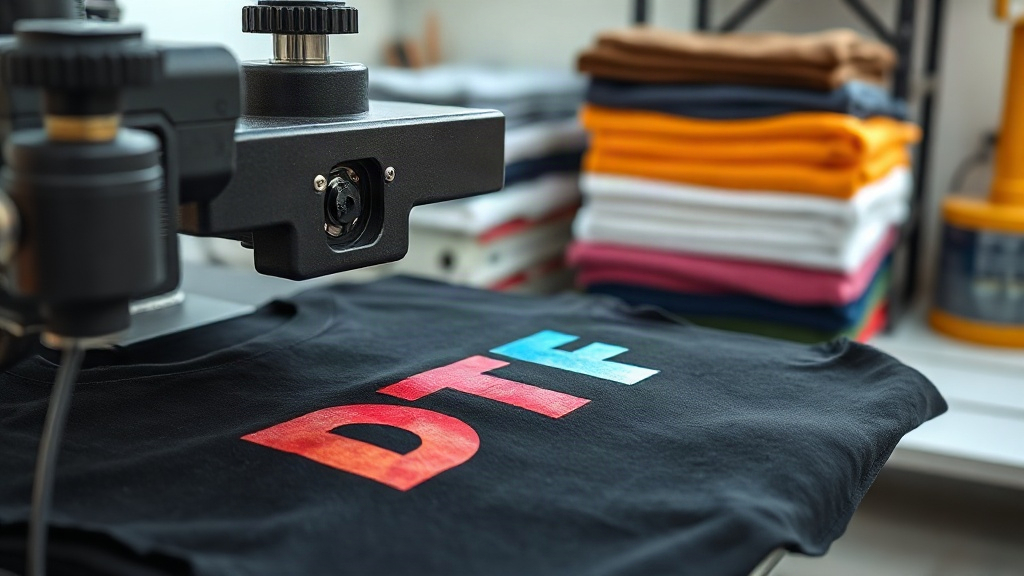
If you've been anywhere near the custom apparel scene lately, you've probably heard the acronym DTF transfers buzzing around. Maybe you're a small business owner looking to add custom tees to your shop, or a DIY enthusiast wanting to make gifts that don't peel after one wash. Either way, DTF (Direct to Film) transfers have become a game-changer for producing vibrant, durable prints without the hefty equipment costs of screen printing or the limitations of vinyl. In this guide, we'll walk through what DTF transfers are, how to use them, and why pairing them with quality blanks like Shaka Wear and Smart Blanks can elevate your final product. Let's dive in.
What Are DTF Transfers?
DTF transfers are printed designs on a special film that can be heat-pressed onto fabric. Unlike DTG (Direct to Garment) printing, which prints directly onto the shirt, DTF involves printing the design onto a film, coating it with adhesive powder, and then transferring it with heat and pressure. This process allows for intricate details, vibrant colors, and the ability to print on a wide range of fabrics, including cotton, polyester, and blends. The result is a soft, stretchable print that holds up well over time.
Why Choose DTF Transfers Over Other Methods?
There are several reasons DTF transfers have gained popularity. First, they don't require weeding like vinyl, saving time and reducing waste. Second, they work on both light and dark garments without needing a separate white underbase, which simplifies the process. Third, the color vibrancy is exceptional, and the prints are durable, often outlasting the garment itself. For small businesses, DTF offers a low-cost entry point into custom apparel, with a single printer and heat press you can produce a wide variety of designs.
Step-by-Step Guide to Applying DTF Transfers
Applying DTF transfers is straightforward, but following the right steps ensures a professional finish. Here's how to do it:
- Prepare your workspace: Set your heat press to the recommended temperature (usually 300-325°F) and preheat the garment for a few seconds to remove moisture.
- Position the transfer: Place the DTF transfer film onto the garment with the design facing up. Use heat tape if needed to keep it in place.
- Press: Apply medium to firm pressure for 10-15 seconds. The exact time may vary by film type, so check your supplier's instructions.
- Peel: Wait for the transfer to cool completely (cold peel) or peel while hot (hot peel) depending on the film. Most DTF films are cold peel.
- Post-press: For added durability, press again for a few seconds with a protective sheet or parchment paper.
That's it! With a bit of practice, you'll be cranking out custom shirts in no time.
Choosing the Right Blanks: Shaka Wear and Smart Blanks
The quality of your blank garment is just as important as the transfer itself. A flimsy tee won't do justice to a vibrant DTF print. That's where Shaka Wear and Smart Blanks come in. Shaka Wear is known for its heavyweight cotton tees that provide a premium feel and excellent print surface. Their shirts are popular among streetwear brands for their boxy fit and durability. Smart Blanks, on the other hand, offers a versatile range of affordable blanks that cater to both budget-conscious creators and those seeking quality. Their blends are soft and take DTF transfers beautifully. By using these blanks, you ensure your finished product looks professional and lasts.
Common Mistakes to Avoid with DTF Transfers
Even though DTF is forgiving, some pitfalls can ruin your results. Here are a few to watch out for:
- Insufficient pressure: If the pressure is too low, the transfer won't adhere properly, leading to peeling. Always test your press settings.
- Wrong temperature: Too hot and the film may scorch; too cold and the adhesive won't activate. Invest in a heat gun or infrared thermometer to verify.
- Not pre-pressing: Moisture in the fabric can cause bubbles or poor adhesion. Always pre-press for 5-10 seconds.
- Peeling too early or too late: Follow the film's instructions for hot vs. cold peel. Cold peel films must cool completely before peeling.
By avoiding these, you'll get consistent, professional results.
DTF Transfers on Different Fabrics
One of the biggest advantages of DTF is its versatility. It works on:
- 100% Cotton: The most common choice, offering a soft hand and vibrant colors.
- Polyester: DTF adheres well, but lower temperatures may be needed to avoid dye migration.
- Blends: Cotton-poly blends are no problem; just adjust pressing settings as needed.
- Specialty Fabrics: Nylon, leather, and even some synthetics can be decorated with DTF, though testing is recommended.
This flexibility makes DTF a go-to for diverse product lines.
Frequently Asked Questions About DTF Transfers
How long do DTF transfers last?
When applied correctly, DTF transfers can last as long as the garment itself. Proper washing (inside out, cold water, no bleach) and avoiding high heat in the dryer will extend their life. Many users report prints lasting 50+ washes without fading or cracking.
Can I use DTF transfers on dark shirts?
Absolutely. Unlike some other methods, DTF transfers include a white ink layer that allows them to show up vividly on dark fabrics. No need for a separate white underbase.
What equipment do I need to get started with DTF?
You'll need a DTF printer (or a supplier who provides pre-printed transfers), a heat press, and a computer for designing. If you're outsourcing transfers, you only need a heat press. Many small businesses start by ordering transfers from a supplier and pressing them in-house.
Are DTF transfers stretchy?
Yes, DTF transfers are known for their elasticity. They stretch with the fabric without cracking, making them ideal for athletic wear and fitted garments.
Can I layer DTF transfers?
Layering is possible but tricky. It's best to design your artwork with all elements in one transfer. If you must layer, press the bottom layer first, then apply the top layer with a cover sheet to protect the underlying print.
Final Thoughts
DTF transfers have opened up a world of possibilities for custom apparel creators. Whether you're a hobbyist or a growing brand, understanding the process and choosing the right blanks like Shaka Wear and Smart Blanks can set your products apart. With practice and attention to detail, you'll be producing high-quality, durable prints that your customers will love. So why not give DTF a try? Your next custom creation might just be your best one yet.