
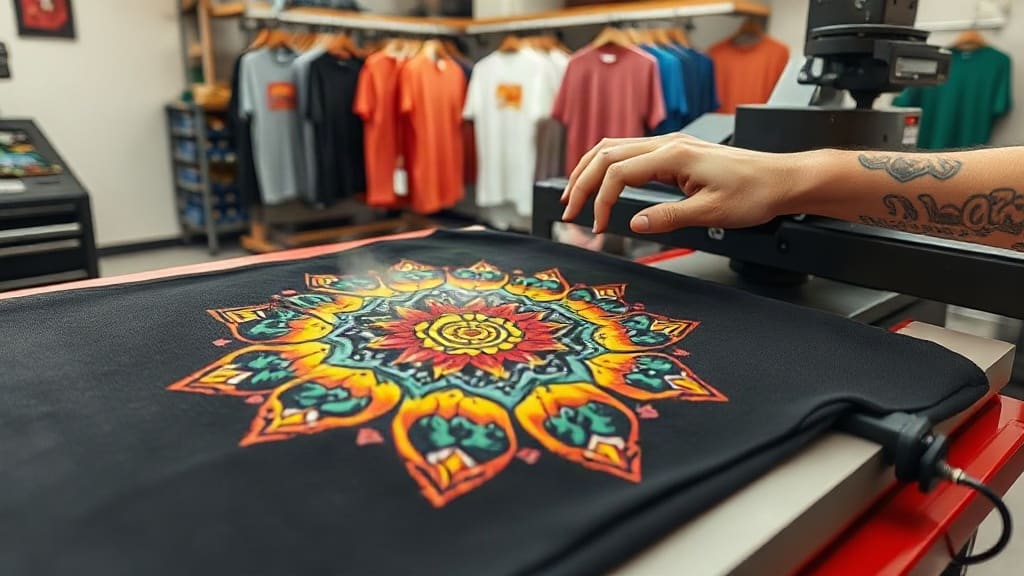
If you're in the custom apparel business or just love creating your own shirts, you've probably heard about DTF transfers. This printing method has taken the industry by storm, offering a fantastic combination of quality, versatility, and ease. Unlike traditional screen printing or vinyl, DTF transfers allow you to produce full-color designs on a wide range of fabrics without complicated setup. In this guide, I'll share everything I've learned from hands-on experience, so you can get the most out of this incredible technology.
When I first started using DTF transfers, I was amazed by the quality. The prints come out vibrant and soft to the touch, and they hold up washing after washing. But it wasn't all smooth sailing initially. I had to figure out the right settings, films, and powders to get perfect results every time. That's why I've compiled this comprehensive guide to help you avoid the trial-and-error phase and jump straight to producing professional-grade custom prints.
What Are DTF Transfers?
DTF transfers stand for Direct to Film transfers. The process involves printing your design onto a special PET film using a DTF printer with CMYK plus white ink. After printing, you apply an adhesive powder to the wet ink, then cure it. When you're ready to apply the transfer, you place the film on your garment, apply heat and pressure with a heat press, and peel off the film. The result is a durable, stretchable, and vibrant print that feels smooth to the touch.
One of the biggest advantages of DTF transfers is that they work on almost any fabric, including cotton, polyester, blends, and even leather or nylon. This versatility makes them a go-to choice for custom apparel businesses, small print shops, and DIY enthusiasts.
How Do DTF Transfers Work?
Understanding the process helps you appreciate why DTF transfers are so effective. Here's a step-by-step breakdown of how to create and apply them:
Step 1: Design and Print
Create your design on a computer, then print it onto a DTF film using a specialized printer that uses CMYK and white inks. The white ink is crucial because it acts as an underbase for light-colored or transparent designs, ensuring colors pop on dark garments.
Step 2: Apply Adhesive Powder
While the ink is still wet, you need to cover the printed area with a hot-melt adhesive powder. This powder sticks to the ink and, when melted, bonds the design to the fabric.
Step 3: Cure the Powder
You then heat the film to melt the powder, typically using a curing oven or a heat press. This creates a smooth, tacky surface that will later fuse with the garment.
Step 4: Press and Peel
Place the film on your garment, apply heat and pressure with a heat press for a specific time and temperature (usually around 300°F for 15 to 20 seconds), and then peel off the film while it's still hot or cold, depending on the type of transfer. The design stays on the fabric, giving you a professional-looking print.
Why Choose DTF Transfers Over Other Methods?
There are several reasons why DTF transfers have become so popular. Let's compare them to other common printing techniques:
Versatility in Fabric Types
Unlike sublimation, which only works on polyester or light-colored fabrics, DTF transfers work on both light and dark fabrics and on cotton, polyester, and blends. This versatility means you can offer a wider range of products without investing in multiple printing systems.
Soft Hand Feel
Compared to screen printing or vinyl, DTF prints have a much softer hand feel. The adhesive powder is applied thinly, and the final texture is smooth and flexible, making the print almost part of the fabric itself.
Durability
DTF transfers are incredibly durable. They can withstand repeated washing, stretching, and daily wear without cracking or fading. This is a major advantage for apparel that gets heavy use, like work uniforms or activewear.
Cost-Effective for Small Orders
Screen printing requires expensive screens and setup costs, making it impractical for small quantities or single custom pieces. DTF transfers have no such minimums. You can print one-off designs or small batches cost-effectively, which is perfect for personalized gifts or on-demand production.
Full-Color and High Detail
With DTF, you can print photographic images, gradients, and intricate details with ease. The CMYK plus white printing process captures vibrant colors and crisp lines, giving you a print that rivals digital printing in quality.
Tips for Perfect DTF Transfers
From my own experience, I've learned a few key tips that make a huge difference in the final outcome. Here are some actionable insights:
Use High-Quality Films and Powders
The quality of your transfer depends heavily on the materials you use. Invest in a good PET film that is compatible with your printer and a high-quality adhesive powder. Cheaper alternatives might save money initially but can lead to poor adhesion, cracking, or a rough finish.
Calibrate Your Printer Settings
Each printer and ink combination requires specific settings. Take the time to run test prints to adjust the ink density, especially for the white ink layer. A well-calibrated printer ensures vibrant colors and proper opacity on dark garments.
Handle the Film Carefully
After printing, the film is sticky due to the adhesive powder. Handle it with clean, dry hands to avoid contamination. Also, make sure to store your unprinted films in a dust-free environment to prevent particles from affecting the print quality.
Press with the Right Temperature and Pressure
Not all heat presses are the same. Check the manufacturer's recommendations for your specific transfer. Typically, you'll press at around 300°F (150°C) with medium to firm pressure for 15-20 seconds. Too little heat or pressure can result in poor adhesion, while too much can scorch the fabric or cause the film to stick.
Peel Hot or Cold?
Some transfers require hot peeling (immediately after pressing), while others need cold peeling (wait until the film cools). Always read the instructions from your supplier. In my experience, DTF transfers usually work best with hot peeling, but it varies by brand.
Test on Scrap Material First
Before pressing a full batch, always do a test on a scrap piece of fabric. This helps you fine-tune the time and temperature without wasting expensive garments.
Common Mistakes to Avoid
Skipping the White Ink Layer
For designs on dark shirts, the white ink underbase is essential. Without it, your colors will appear washed out or transparent. Make sure your printer is set to print a white layer beneath the CMYK colors.
Using the Wrong Film
Not all PET films are created equal. Some are designed for solvent inks, others for pigment inks. Using the wrong film can cause ink bleeding or poor powder adhesion. Stick to films that are specifically made for DTF printing.
Insufficient Curing
Curing the adhesive powder is a critical step. If you under-cure, the powder won't fully melt, leading to weak adhesion. If you over-cure, the powder may become too brittle. Follow the recommended curing time and temperature.
Ignoring Fabric Composition
While DTF works on most fabrics, the press settings might need adjustment. For example, high-pile fabrics like fleece may need a bit more pressure or a longer press time. Always test on a sample of the actual fabric you'll be using.
Applications of DTF Transfers
DTF transfers are incredibly versatile. Here are some popular uses:
- Custom t-shirts and apparel for events, teams, and businesses.
- Personalized gifts like mugs, tote bags, and phone cases (though for mugs, you need specific processes).
- Workwear and uniforms that require durability and comfort.
- Fashion lines and boutique items with intricate designs.
- Patch and label production for garments and accessories.
The ability to print on demand opens up endless possibilities for entrepreneurs and creators. You can offer custom products without holding inventory, reducing upfront costs and waste.
How to Source DTF Transfers
If you don't have a DTF printer, you can still take advantage of this technology by sourcing transfers from a professional production service. Many companies offer custom DTF transfers where you send your design, and they send back ready-to-press films. This is a great option for small businesses or individuals who don't want to invest in equipment.
When choosing a supplier, look for these qualities:
- High-resolution printing with vibrant colors.
- Consistent quality and minimal defects.
- Clear instructions for pressing.
- Reasonable turnaround times.
- Good customer reviews and responsive support.
Frequently Asked Questions
Can DTF transfers be used on any fabric?
Yes, DTF transfers work on almost any fabric, including cotton, polyester, blends, and even some synthetics like nylon. However, for very stretchy fabrics like spandex, you might need a special stretchable DTF film and powder to ensure the print flexes without cracking. Always test on a sample before full production.
How long do DTF transfers last?
With proper application and care, DTF transfers are highly durable. They can withstand numerous washes without fading or peeling. In my experience, they last as long as the garment itself under normal use. To maximize longevity, wash garments inside out in cold water and avoid high heat when drying.
Do I need a heat press for DTF transfers?
Yes, a heat press is essential for applying DTF transfers. While you might get away with a household iron for small designs, a heat press ensures even pressure and temperature, which is critical for a strong bond. A heat press gives consistent results and is worth the investment if you plan to make DTF printing a regular part of your business.
Can I use DTF transfers on dark-colored shirts?
Absolutely, and DTF transfers excel on dark fabrics because of the white ink underbase. The white layer ensures that your design colors stay vibrant and opaque, even on black or navy shirts. This is a huge advantage over many sublimation methods that only work on light colors.
What is the difference between DTF and sublimation?
The main difference is that sublimation requires polyester or polymer-coated surfaces and works best on light colors, while DTF transfers work on cotton, polyester, and blends, and on any color. Sublimation produces a permanent bond where the ink becomes part of the material, but DTF transfers sit on top of the fabric with an adhesive layer. DTF is more versatile for custom apparel made of cotton.
Final Thoughts
DTF transfers have revolutionized the custom printing industry, offering a flexible, cost-effective, and high-quality solution for creating custom apparel. Whether you're a seasoned printer or a hobbyist, understanding the ins and outs of DTF transfers will help you produce stunning results. Remember to invest in good materials, fine-tune your process, and always test before mass production. If you have any more questions, feel free to explore our other resources or get in touch with us at DTF Concept. Happy printing!