
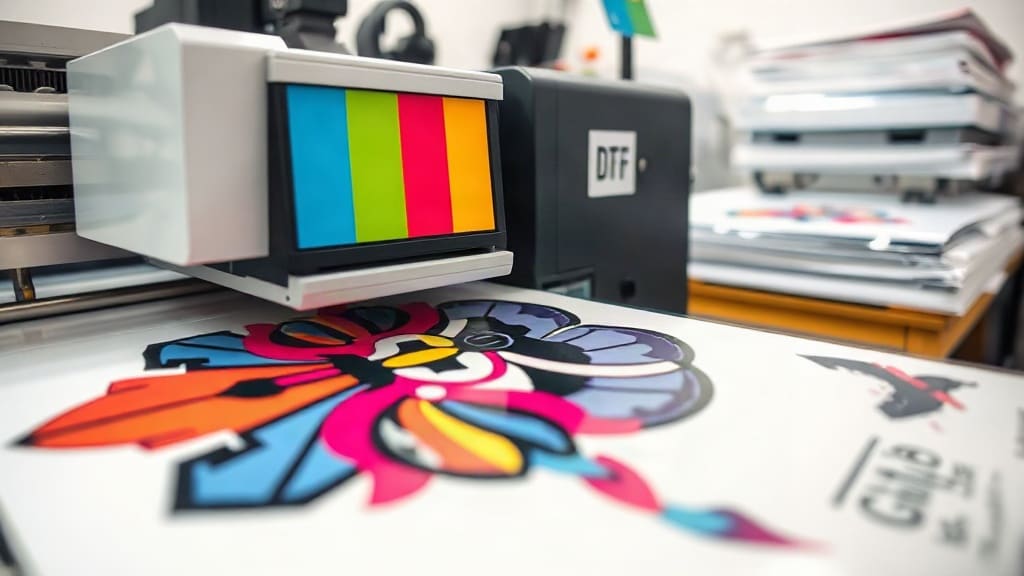
In the world of custom apparel printing, DTF transfers have emerged as a game-changer. Whether you're a small business owner, a hobbyist, or a large-scale printer, understanding this technology can open up new possibilities. DTF, which stands for Direct to Film, is a method that involves printing your design onto a special film, then transferring it to fabric using heat and adhesive powder. The result is a vibrant, durable print that feels soft to the touch.
If you've ever struggled with the limitations of traditional printing methods, DTF might be the solution you've been looking for. In this guide, we'll dive deep into what DTF transfers are, how they work, their pros and cons, and practical tips to achieve the best results.
What Are DTF Transfers?
Direct to Film (DTF) printing is a relatively new technique that has quickly gained popularity. It involves printing a design onto a special PET film using a DTF printer and specialized inks. After printing, a hot-melt adhesive powder is applied to the wet ink, which acts as the bonding agent when the transfer is applied to fabric.
Unlike traditional heat transfer vinyl (HTV), DTF allows for full-color prints with intricate details and gradients. It also eliminates the need for weeding, saving time and labor. The process is similar to screen printing in terms of print quality but offers more flexibility for small runs and on-demand production.
How DTF Transfers Work: Step-by-Step
Understanding the process behind DTF transfers can help you troubleshoot issues and optimize your workflow. Here's a simplified breakdown:
- Printing: The design is printed in reverse onto a PET film using a DTF printer. The printer uses CMYK plus white ink to create a white base layer, which ensures colors pop on dark garments.
- Adhesive Application: While the ink is still wet, a hot-melt adhesive powder is sprinkled over the printed area. The powder sticks only to the ink, so the unprinted areas remain clean.
- Curing: The film is then passed through a curing oven or heat press to melt the adhesive powder and dry the ink. This step activates the glue, making it ready for transfer.
- Transfer: The film is placed on the garment, adhesive side down, and heat pressed at a specific temperature and pressure for a set time. The heat melts the adhesive, bonding the design to the fabric.
- Peeling: After pressing, the film is peeled away, leaving the design permanently embedded in the fabric. The print should be smooth and have a soft hand feel.
Advantages of DTF Transfers
Why are DTF transfers becoming the go-to choice for many printers? Let's explore the key benefits:
Versatility Across Fabrics
DTF works on a wide range of materials, including cotton, polyester, blends, nylon, and even leather. This makes it incredibly versatile for products like t-shirts, hoodies, tote bags, and more.
Vibrant Colors and Detail
The white ink layer ensures that colors remain vivid even on dark fabrics. DTF printing can reproduce fine details and gradients that are difficult to achieve with other methods.
No Weeding Required
Unlike HTV, which requires manual weeding of excess material, DTF transfers are ready to use right after curing. This saves hours of labor, especially for complex designs.
Cost-Effective for Small Runs
Setting up screens for screen printing is expensive and time-consuming, making it impractical for small orders. DTF allows you to print on demand with minimal upfront cost.
Durability
DTF prints are known for their durability. The adhesive creates a strong bond that can withstand multiple washes without cracking or fading, provided proper care is taken.
DTF vs. Other Printing Methods
Choosing the right printing method depends on your specific needs. Here's a quick comparison:
DTF vs. DTG (Direct to Garment)
DTG is excellent for cotton fabrics and offers a soft hand feel, but it struggles with polyester and requires pretreatment. DTF is more versatile and doesn't need special pretreatment, making it easier to use on various materials.
DTF vs. Screen Printing
Screen printing is cost-effective for large quantities but has high setup costs and limited color gradients. DTF is better for small to medium runs, and it offers full-color prints with no setup fees.
DTF vs. Heat Transfer Vinyl (HTV)
HTV is great for simple designs with few colors but requires weeding and can't handle gradients well. DTF eliminates weeding and provides photo-quality prints.
Tips for Perfect DTF Transfers
To achieve professional results, pay attention to the following factors:
Choose the Right Film and Ink
Use high-quality PET films specifically designed for DTF. Pair them with compatible inks and adhesive powder. Consistency in materials ensures reliable results.
Calibrate Your Printer
Proper color calibration is crucial. Use ICC profiles to ensure accurate color reproduction. Regularly clean and maintain your printer to avoid banding or ink clogs.
Master the Heat Press Settings
Temperature, pressure, and time are critical. Typical settings are around 320°F (160°C) for 15 seconds with medium pressure. However, always test with your specific materials and adjust accordingly.
Handle the Film Carefully
The film is delicate before curing. Avoid touching the printed areas to prevent smudging. Store it flat and keep it away from dust.
Test Before Bulk Production
Always do a test transfer on a scrap garment to check color, adhesion, and washability. This can save you from costly mistakes.
Common Mistakes to Avoid
Even experienced printers can run into issues. Here are some pitfalls to watch out for:
- Using Too Much or Too Little Adhesive Powder: Excess powder can cause a rough texture, while too little leads to poor adhesion. Follow the manufacturer's guidelines.
- Incorrect Curing: If the powder isn't fully melted, the transfer may peel off. Ensure your curing oven or press reaches the right temperature.
- Peeling Too Fast: Let the transfer cool slightly before peeling. Peeling hot can cause adhesive failure.
- Ignoring Fabric Type: Some fabrics require different settings. For example, polyester needs lower temperatures to avoid scorching.
Business Opportunities with DTF Transfers
DTF transfers open up new avenues for entrepreneurs. You can start a custom apparel business with minimal investment. Offer on-demand printing services, sell pre-made transfers, or create unique products for niche markets. The low entry barrier makes it accessible to anyone with a creative vision.
Moreover, DTF transfers are perfect for print-on-demand services. You can partner with e-commerce platforms to sell custom merchandise without holding inventory. As orders come in, you print and ship, reducing risk and waste.
Frequently Asked Questions
Can DTF transfers be applied to any fabric?
DTF transfers are highly versatile and can be applied to most fabrics, including cotton, polyester, and blends. However, for very stretchy materials or those with special coatings, it's best to test first. Some users have found success on nylon and even leather, but results may vary.
How many washes can a DTF transfer withstand?
With proper application and care, DTF transfers can survive over 50 washes. To extend the life, wash garments inside out in cold water and avoid harsh detergents. Tumble drying on low heat is also recommended.
Do I need a special printer for DTF transfers?
Yes, DTF requires a printer that can handle DTF inks and films. Many printers, such as the Epson L1800 or XP-15000, can be converted for DTF use with the right inks and software. There are also dedicated DTF printers available in the market.
Is DTF transfer printing eco-friendly?
DTF printing uses water-based inks that are more environmentally friendly than plastisol inks used in screen printing. However, the films and adhesive powders are not biodegradable, so proper disposal is important. Some manufacturers are developing more sustainable options.
What is the difference between DTF and sublimation?
Sublimation requires polyester fabrics and results in a permanent, dye-subjected print that becomes part of the fabric. DTF works on a wider range of fabrics and sits on top of the material, similar to HTV but with more detail. Sublimation is ideal for all-over prints, while DTF offers more versatility.