
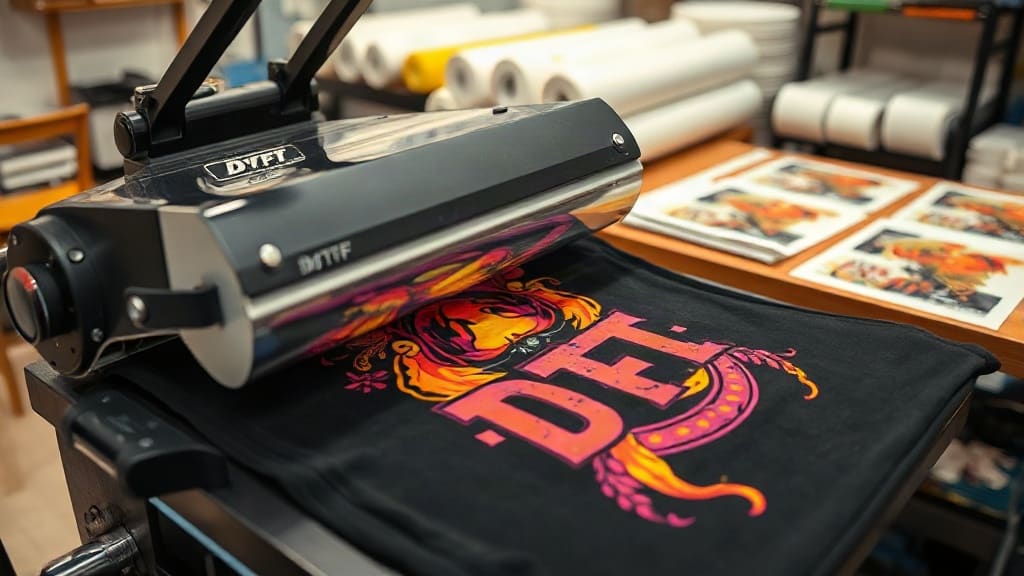
Are you tired of complicated printing methods that limit your creativity? DTF transfers have revolutionized the custom apparel industry, offering a simple and vibrant way to print designs. Whether you're a business owner or a hobbyist, understanding this technology can open up a world of possibilities.
In this guide, we'll dive deep into what DTF transfers are, how they work, and why they've become so popular. You'll also learn practical tips for getting the best results and avoiding common pitfalls.
What Are DTF Transfers?
DTF stands for Direct to Film. It's a printing method where your design is printed onto a special film, coated with adhesive powder, and then heat-pressed onto fabric. Unlike traditional methods, DTF transfers work on a wide range of materials, including cotton, polyester, blends, and even leather.
One of the biggest draws is the ability to print full-color designs with high detail, including gradients and photographs, without the need for screens or extensive setup. This makes it ideal for small batches and custom orders.
How DTF Transfers Work
The process is straightforward:
- Design your artwork using graphics software.
- Print it onto a special PET film using a DTF printer and pigment inks.
- While the ink is still wet, apply a hot-melt adhesive powder to the film.
- Heat the film to cure the adhesive.
- Peel off the excess film, leaving your design ready for pressing.
This pre-made transfer can be stored and used later, which is perfect for bulk production or just-in-time manufacturing.
Why Choose DTF Transfers?
There are many reasons why DTF transfers have gained traction:
- Versatility: Works on almost any fabric, including dark colors without needing a white underbase.
- Soft hand feel: The prints are soft and stretchy, unlike heavy plastisol prints.
- Durability: They resist cracking and fading, lasting through many washes.
- Cost-effective: No screen setup costs, making it affordable for low-volume orders.
- Ease of use: The transfer process is simple, even for beginners.
These benefits make DTF an excellent choice for small businesses, print-on-demand services, and DIY enthusiasts.
DTF Transfers vs. Other Methods
To appreciate DTF, it helps to compare it with other popular techniques.
DTF vs. DTG (Direct to Garment)
DTG prints directly onto the garment, which means you need to have the fabric ready. DTF transfers, on the other hand, can be produced in advance and applied when needed. This is a game-changer for order fulfillment. DTG also struggles with certain fabrics, while DTF is much more versatile.
DTF vs. Vinyl
Vinyl is limited to solid colors and simple designs. DTF allows for full-color, intricate artwork with no weeding required. Plus, DTF prints have a softer feel and better stretchability.
DTF vs. Screen Printing
Screen printing is great for large runs but has high setup costs and is inefficient for small orders. DTF offers a more economical solution for short runs, and you can print designs with unlimited colors.
How to Use DTF Transfers
Using DTF transfers is a breeze if you follow these steps:
- Preheat your heat press to around 300°F (150°C).
- Place the transfer on your garment with the film side up.
- Press with medium pressure for about 15 seconds.
- Peel the film off while it's still hot or cold, depending on the manufacturer's instructions.
- For extra durability, you can do a second press with a parchment paper over the design.
Remember to use a heat press for best results; an iron may not provide even pressure and heat.
Tips for Perfect DTF Transfers
To ensure your prints come out flawless, consider these expert tips:
- Use high-quality film and inks: Cheap materials lead to poor results.
- Adjust your press settings: Test on scrap fabric first to find the right temperature and time.
- Pre-press your garment: This removes moisture and wrinkles, ensuring better adhesion.
- Handle the film carefully: Oils from your fingers can affect the transfer.
- Store transfers properly: Keep them in a cool, dry place to prevent sticking.
Common Mistakes to Avoid
Even experienced printers can make errors. Here are some pitfalls to watch out for:
- Incorrect powder application: Too little powder leads to poor adhesion; too much causes stiffness.
- Not shaking the powder evenly: Uneven coverage leads to patchy prints.
- Overheating: This can cause discoloration and damage the transfer.
- Not curing the powder properly: Under-curing results in weak bonds.
- Using the wrong side of the film: Always print on the matte side.
Applications of DTF Transfers
The possibilities are endless. You can use DTF transfers for:
- T-shirts, hoodies, and sweatshirts
- Tote bags and backpacks
- Pillows and home decor
- Mousepads and coasters
- Leather goods like wallets and belts
This versatility makes DTF a valuable addition to any printing business.
DTF Transfers for Business
If you're considering adding DTF to your business, there are several factors to keep in mind. The initial investment includes a DTF printer, powder shaker, and heat press. However, the return on investment can be quick because of the low per-unit cost and high demand.
You can offer products that you couldn't before, like custom sports jerseys or personalized gifts. The ability to print on demand reduces inventory risks.
Frequently Asked Questions
Can I use DTF transfers on dark fabrics?
Yes, one of the biggest advantages of DTF is that it works great on dark colors. The adhesive layer acts as a white base, ensuring your colors pop without needing a separate white underbase.
How long do DTF transfers last?
When applied correctly, DTF transfers are very durable. They can withstand over 50 washes without significant fading or cracking, especially if you use quality materials and follow proper care instructions.
Do I need to print a mirror image?
Yes, because the design is printed on the film and then transferred, you need to print your artwork in reverse (mirror image). Most DTF software automatically flips it, but always double-check.
Can I use a regular inkjet printer for DTF?
No, DTF requires specialized printers that use pigment inks and can handle the PET film. Standard inkjet printers are not compatible.
What is the difference between DTF and sublimation?
Sublimation requires polyester and a white base for colors to show. DTF works on any fabric and doesn't need special coatings, making it more versatile.
Final Thoughts
DTF transfers are a game-changer in the world of custom printing. They offer flexibility, quality, and ease of use that other methods struggle to match. Whether you're starting a business or looking to expand your services, exploring DTF is a smart move.
Remember to invest in good equipment, practice your technique, and stay updated with the latest trends. With the right approach, you'll produce stunning prints that customers will love.