
Are you searching for DTF transfers to create custom apparel without investing in expensive equipment? Whether you're a small business owner, a hobbyist, or just someone who loves personalized gifts, DTF transfers offer a flexible and vibrant way to decorate fabrics. The challenge is finding a reliable provider, especially when you type "dtf transfers near me" into a search engine and get dozens of results. Not all print shops are created equal, and the quality of your transfers can make or break your final product. In this guide, I'll share practical advice on how to identify the best local DTF printing partner, what questions to ask, and how to ensure you get prints that are durable, colorful, and exactly what you envisioned.
What Are DTF Transfers?
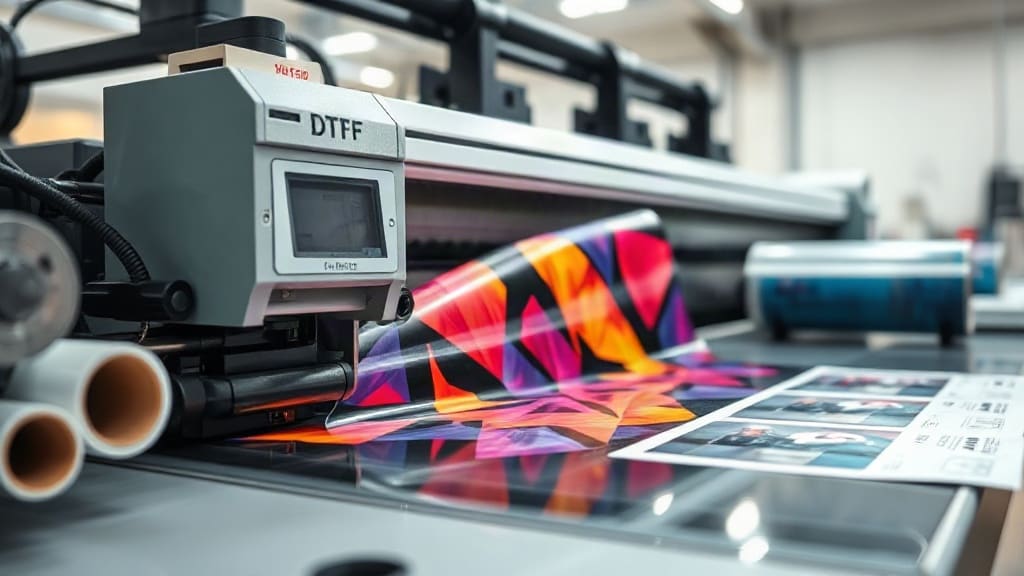
DTF stands for Direct to Film. It's a printing method where a design is printed onto a special film using water-based inks and a powder adhesive. The film is then heat-pressed onto a garment, transferring the design. The result is a soft, stretchy, and highly detailed print that works on a wide range of fabrics, including cotton, polyester, and blends. Unlike traditional screen printing, DTF transfers require no screens or setup, making them ideal for small runs and detailed artwork.
Why Choose Local DTF Transfer Services?
When you search for "dtf transfers near me," you're likely looking for convenience, faster turnaround, and the ability to inspect quality before committing. Local providers can offer:
- Faster shipping times, often same-day pickup.
- Direct communication, allowing you to discuss details and get samples.
- The chance to support local businesses and build a relationship for repeat orders.
How to Find a Reputable DTF Transfer Provider
Finding the right provider isn't just about proximity. Here are key factors to consider:
Check Their Portfolio and Reviews
Look for before-and-after photos of transfers they've produced. Pay attention to details like color vibrancy, edge sharpness, and how the print looks after washing. Read online reviews on Google, Yelp, or social media. Look for patterns: Are customers satisfied with durability? Do they mention crispness? A consistent history of positive feedback is a good sign.
Ask for Physical Samples
Don't rely solely on digital images. Ask potential providers if they can mail or let you pick up a few sample transfers. Feel the texture, stretch the fabric, and even run a wash test. A reputable printer won't hesitate to show off their work.
Evaluate Their Equipment and Inks
Inquire about the printers and inks they use. High-quality DTF printers typically use Epson or Ricoh heads with specialized DTF inks. Ask if they use genuine powders and films from trusted brands. This isn't about prying into trade secrets; it's about ensuring the materials meet industry standards for longevity.
Compare Pricing and Turnaround Times
While price shouldn't be the only factor, it's important to know the market rate. Get quotes from at least three different providers. Be wary of extremely low prices, as they may indicate subpar materials or rushed work. Also, ask about turnaround: How long from file approval to delivery? Do they offer rush services?
Questions to Ask Before Placing an Order
To make an informed choice, ask these questions:
- What is your minimum order quantity? Some businesses have no minimum, which is great for small projects.
- Can you handle complex designs with gradients and fine details? DTF excels at these, but it's good to confirm.
- What types of garments do you recommend? DTF transfers work best on 100% cotton or cotton-poly blends.
- Do you offer a color proof or a digital mockup before printing?
- What are your payment terms?
Ensuring the Best Results: Tips for Your Design and Order
Once you've chosen a provider, your responsibility is to provide a high-quality design file. Here's how to get the best outcome:
Use High-Resolution Images
Your design should be at least 300 DPI at the actual print size. Avoid using low-res images from the internet, as they'll appear pixelated on the transfer.
Consider the Color Profile
Ask your printer if they prefer RGB or CMYK. While many DTF printers handle both, some colors, like bright neon or pastels, may shift. A good provider will offer tips to maintain color accuracy.
Think About White Underbase
For dark garments, a white underbase is necessary. That adds an extra layer of complexity. Discuss with your provider how they handle white ink settings to ensure smooth coverage and minimal hand feel.
Test a Small Batch First
Before committing to a large order, order a few samples. Apply them to your garments, wash them, and assess the quality. This step can save you from costly mistakes.
Common Mistakes to Avoid When Choosing a DTF Transfer Service
Even with careful research, pitfalls exist. Here are common errors and how to avoid them:
Ignoring the Hand Feel
A transfer might look great but feel too thick or plastic-like. Ask about the adhesive powder used; fine-grade powder results in a softer hand feel.
Overlooking the Shrinkage Factor
Some films shrink slightly when heated. Ensure your provider compensates for this by adjusting the size of your design or using low-shrink films.
Not Asking About Washability
Your transfers should withstand multiple washes without cracking or peeling. Ask about their wash testing results. A reliable provider will have data on this.
Alternatives to Local: Online DTF Transfer Stores
If you don't find a satisfactory local option, don't despair. Many online stores offer high-quality DTF transfers with fast shipping. However, the same evaluation criteria apply: check reviews, request samples (they often send a free sample pack), and compare pricing. The advantage of local is the personal touch, but online stores can sometimes offer more variety and lower prices due to scale.
How to Build a Long-Term Relationship with Your DTF Provider
If you plan to order regularly, establish a relationship with a trusted supplier. Communicate openly about your needs, provide feedback on their work, and pay promptly. Many providers offer loyalty discounts or early access to new products for repeat customers.
Conclusion
Finding the right DTF transfers provider near you doesn't have to be a gamble. By doing your homework, asking the right questions, and testing samples, you can enjoy beautiful, durable prints for all your custom apparel projects. Remember, the cheapest option isn't always the best value, and the closest might not be the most reliable. Take your time, and you'll find a partner who helps your designs shine. Whether you're printing for a business or a personal project, the right transfer service makes all the difference.
Frequently Asked Questions
How much do DTF transfers cost on average?
Pricing varies depending on size, quantity, and complexity. For a standard A3 sheet with multiple designs, you might pay between $2 and $5 per transfer when ordering in bulk. Smaller orders can be higher per piece. It's best to request quotes from several providers to get an accurate estimate for your specific needs.
Can DTF transfers be used on any fabric?
DTF transfers are versatile and work on cotton, polyester, nylon, and blends. They adhere well to both light and dark fabrics. However, for very stretchy or delicate fabrics like spandex, you may need special handling. Always test on a sample piece first to ensure the transfer doesn't crack or peel.
How long do DTF transfers last?
When applied correctly and cared for properly, DTF transfers can last for many washes, often exceeding 50 washes without significant fading or cracking. The key is to use high-quality materials and follow the recommended washing instructions, such as turning the garment inside out and using cold water.
Do I need to provide a ready-to-print file?
Most DTF transfer services prefer a high-resolution PNG or PDF with transparent background. If you don't have a ready-to-print file, many providers offer design assistance for an additional fee. Ensure your design is at least 300 DPI to avoid pixelation.
What is the difference between DTF and heat transfer vinyl?
Heat transfer vinyl (HTV) involves cutting vinyl into shapes and heat-pressing them onto a garment. It's limited to solid colors and simple designs. DTF transfers, on the other hand, can reproduce full-color, detailed prints with gradients and even photographic images. DTF also offers a softer hand feel compared to HTV.