
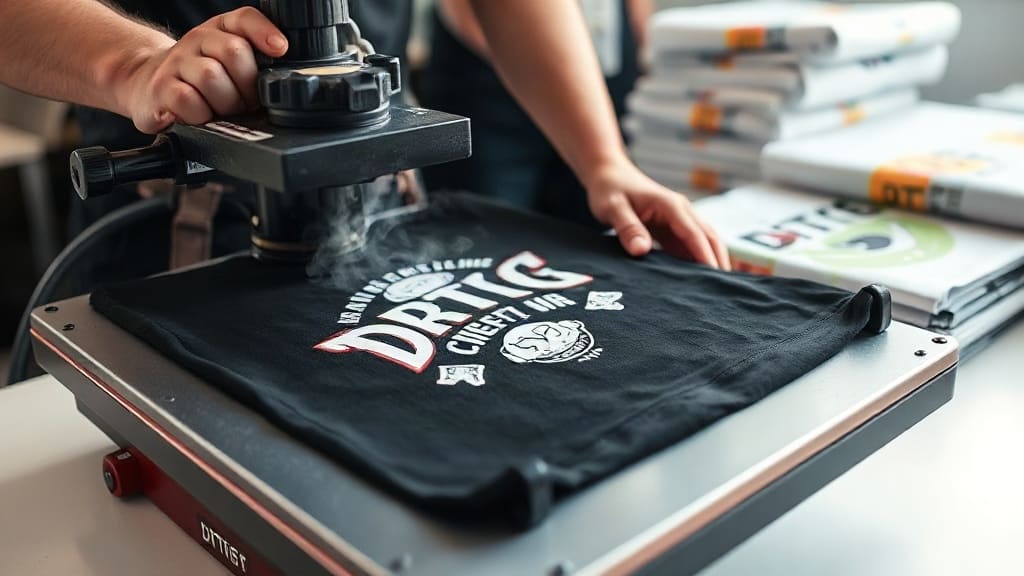
DTF transfers have taken the custom apparel world by storm. If you've ever wanted to create your own t-shirts, hoodies, or tote bags with vibrant, detailed designs, this technology is a game-changer. Unlike traditional screen printing or vinyl, DTF (Direct to Film) printing offers incredible versatility and ease, making it a favorite among small business owners and hobbyists alike. In this guide, we'll dive deep into what DTF transfers are, how to order them, and how to apply them flawlessly.
What Are DTF Transfers?
DTF transfers are designs printed onto a special film using a DTF printer and then transferred onto fabric using heat and pressure. The process involves printing a reverse image with vibrant inks, applying a hot-melt adhesive powder, and curing it. The result is a ready-to-press transfer that can be applied to various materials, including cotton, polyester, and blends.
One of the biggest advantages of DTF transfers is their ability to produce detailed graphics with soft hand-feel. Unlike screen printing, which requires separate screens for each color, DTF prints full-color designs in a single pass. This makes them perfect for complex logos, photographs, and artistic prints.
How DTF Transfers Are Made
The creation of DTF transfers involves several key steps:
- Printing: A specialized DTF printer prints the design in reverse onto a PET film using water-based inks. The printer uses a CMYK color model, often with white ink as a base layer for transparency.
- Powdering: While the ink is still wet, a hot-melt adhesive powder is applied to the film. This powder sticks to the inked areas, and excess is removed.
- Curing: The film is then heated to melt the powder, creating a strong adhesive layer that will bond with the fabric during pressing.
Once cured, the transfer is ready to use. You can store it and press it at any time, making it convenient for on-demand production.
Ordering DTF Transfers: What to Consider
When you order DTF transfers, whether from DTF Concept or another supplier, you need to provide a few things:
- Design file: The best formats are PNG, AI, PSD, or PDF with high resolution (at least 300 DPI). If your design has transparency, ensure it's correctly set up.
- Size and quantity: Specify the dimensions of the transfer, which typically range from a couple of inches to full-back prints. Bulk orders often come with discounts.
- Color accuracy: Most printers use CMYK, but if you have specific Pantone colors, mention them. However, note that exact color matching can be challenging due to the nature of digital printing.
Also, consider the type of fabric you'll be pressing onto. While DTF works on many materials, the transfer's adhesion may vary. For best results, choose transfers designed for your fabric type, if available.
How to Apply DTF Transfers
Applying DTF transfers is straightforward, but attention to detail ensures durability. Here's a step-by-step guide:
- Pre-press: Preheat your heat press to around 320°F (160°C) and apply medium pressure. Pre-press the garment for 2-3 seconds to remove moisture and wrinkles.
- Position the transfer: Place the DTF transfer on the fabric, with the film side up (the adhesive side should touch the fabric).
- Press: Apply heat and pressure for 10-15 seconds. The exact time and pressure depend on your equipment and the fabric. Typical settings are 320°F, medium pressure, 12 seconds.
- Peel: Allow the transfer to cool for a few seconds, then peel the film off slowly. Some transfers require hot peel, but most are cold peel. Check the instructions from your supplier.
After pressing, your design should be vibrant and firmly attached. For best results, wait at least 24 hours before washing the garment.
Troubleshooting Common Issues
Even with careful application, you might encounter issues. Here are some common problems and solutions:
- Poor adhesion: Increase pressure or temperature, and ensure the garment is pre-pressed.
- Cracking or peeling: This often happens if the press time is too short or the temperature is too low. Also, avoid overstretching the fabric.
- Color fading: Use high-quality inks and films, and wash garments inside out in cold water.
- White lines or banding: This is usually a printer issue, but if you're ordering, check the film quality from the supplier.
Always test on a sample garment before doing a full production run.
DTF vs. Other Printing Methods
Understanding how DTF compares to other methods helps you make informed decisions.
DTF vs. Screen Printing
Screen printing is excellent for large orders with few colors, but it requires setup and is less cost-effective for small batches. DTF transfers are perfect for short runs and full-color designs, with no setup fees.
DTF vs. DTG (Direct to Garment)
DTG prints directly onto the garment, which is great for cotton, but it can be slower and requires pretreating. DTF transfers can be applied to a wider range of fabrics and allow for on-demand production with no machine downtime.
DTF vs. Vinyl
Vinyl is limited to solid colors and simple cuts. DTF offers photographic quality and better durability, especially for stretchy fabrics.
Frequently Asked Questions
How long do DTF transfers last?
With proper application and care, DTF transfers can last up to 50-100 washes. The key is to use quality materials and follow washing instructions: wash inside out, in cold water, and avoid bleach.
Can I use DTF transfers on dark fabrics?
Yes, that's one of the major benefits. The white ink base ensures that colors pop on black and other dark materials.
Do I need special equipment to apply DTF transfers?
You need a heat press. A home iron is not recommended because it doesn't provide consistent pressure and temperature.
Can I order DTF transfers in bulk?
Absolutely. Many suppliers, including DTF Concept, offer wholesale pricing for bulk orders. This is a great way to reduce per-unit costs.
Are DTF transfers eco-friendly?
Compared to screen printing, DTF uses less water and produces less waste. However, the film and powder are plastic-based, so recycling options are limited. Some companies are developing biodegradable films, but for now, consider the environmental impact.
Conclusion
DTF transfers are a versatile and cost-effective solution for custom apparel. Whether you're starting a business or just creating personalized gifts, understanding the process and best practices will help you achieve professional results. With the right supplier, such as DTF Concept, you can order high-quality transfers and press them with confidence. So, why not give DTF a try? Your next project could be your best yet.