
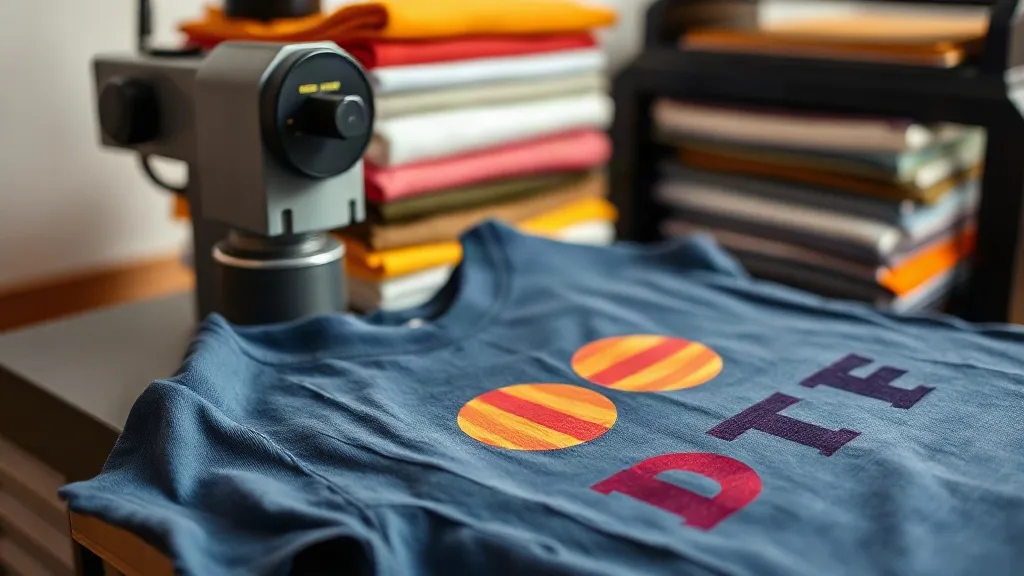
When it comes to custom apparel, dtf transfers have revolutionized the way we print. But with so many options, how do you ensure you're picking the right transfer for your fabric? The answer lies in understanding the nuances of DTF technology and how it interacts with different materials. In this guide, we'll walk you through the key factors to consider, so you can achieve professional, long-lasting results every time.
Understanding DTF Transfers
DTF, or direct-to-film, is a printing method where designs are printed onto a special film, then transferred to fabric using heat and pressure. Unlike DTG or screen printing, DTF works on a wide range of fabrics, including cotton, polyester, blends, and even some synthetics. The process involves printing with specialized inks, applying a powder adhesive, and then curing the film. When heat-pressed, the adhesive melts and bonds the ink to the fabric, creating a durable and vibrant print.
But not all DTF transfers are created equal. The type of film, ink, and powder used can vary, affecting the final outcome. For instance, some transfers are designed for stretchy fabrics, while others are better for heavy cottons. Knowing which type to use is crucial for a successful application.
Types of DTF Transfers
There are several types of dtf transfers available, each suited to different fabrics and applications. Let's explore the most common ones.
Standard DTF Transfers
These are the most versatile and widely used. They work well on cotton, polyester, and blends. Standard transfers are ideal for t-shirts, hoodies, and other everyday garments. They offer good durability and vibrant colors, but may not be suitable for highly stretchy fabrics or those with special coatings.
Stretch DTF Transfers
Designed for fabrics that stretch, such as spandex, elastane, and performance wear, these transfers use a more flexible adhesive and ink formulation. They move with the fabric without cracking or peeling, making them perfect for athletic wear and swimwear.
High-Density DTF Transfers
For a raised, textured look, high-density transfers use a thicker layer of ink. They are great for bold designs on heavy fabrics like canvas or denim, but may not be suitable for lightweight or sheer materials.
Specialty DTF Transfers
These include metallic, glitter, and glow-in-the-dark effects. They require specific application settings and are often used for fashion and promotional items. Keep in mind that specialty transfers may have limited compatibility with certain fabrics.
Fabric Compatibility: What Works Best
Choosing the right transfer starts with knowing your fabric. Here's a breakdown of common materials and the DTF transfers that work best for each.
Cotton
Cotton is the most forgiving fabric for DTF. Standard transfers adhere well and produce vibrant colors. For stretch cotton (like jersey), consider stretch transfers to prevent cracking. Pre-treating cotton with a heat press to remove moisture is recommended for optimal adhesion.
Polyester
Polyester can be tricky because of its slick surface and heat sensitivity. Use low-temperature transfers and reduce pressure to avoid scorching. Standard DTF transfers work, but for high-stretch polyester (like leggings), stretch transfers are better. Always test on a swatch first.
Blends
Cotton-poly blends are common and generally work well with standard transfers. However, the ratio of cotton to polyester affects adhesion. Higher polyester content may require lower heat. A good rule of thumb: test a small area before full production.
Synthetics (Nylon, Spandex, etc.)
Synthetics often require specialty transfers designed for stretch and low-temperature application. Nylon, for example, can melt under high heat, so use a transfer that cures at lower temperatures. Spandex needs stretch transfers to accommodate movement.
Specialty Fabrics
Fabrics like leather, denim, and canvas can work with DTF, but require careful handling. Leather may need a lower temperature and a special adhesive. Denim and canvas can handle high-density transfers for a bold look. Always check the fabric's heat tolerance and test first.
Application Tips for Different Fabrics
Once you've selected the right transfer, proper application is key. Here are some tips to ensure success.
- Pre-press the fabric: Remove moisture and wrinkles with a quick press before applying the transfer. This improves adhesion.
- Use the right temperature: Follow the transfer manufacturer's recommendations. Too hot can scorch synthetics; too cool can cause poor adhesion.
- Apply even pressure: Ensure your heat press applies consistent pressure across the transfer. Uneven pressure leads to patchy results.
- Peel correctly: Most DTF transfers are cold-peel, but some are hot-peel. Check the instructions and peel at the right temperature.
- Post-press for durability: After peeling, press again with a protective sheet for a few seconds to enhance washability.
Finding Quality DTF Transfers
When sourcing DTF transfers, quality matters. Look for suppliers who use high-quality films and inks, and who provide clear instructions. If you're searching for dtf transfers near me, consider online suppliers that offer samples and detailed compatibility guides. Reading reviews and checking for certifications can also help you avoid subpar products.
Common Mistakes to Avoid
Even with the right transfer, mistakes can happen. Here are some pitfalls to watch out for:
- Using the wrong transfer type: As discussed, matching transfer to fabric is crucial.
- Ignoring fabric heat sensitivity: Always test a swatch before pressing the final garment.
- Insufficient pressure: This can cause the transfer to peel or wash out prematurely.
- Peeling too early or too late: Follow the peel timing precisely.
- Not storing transfers properly: Keep transfers in a cool, dry place to prevent adhesive degradation.
Frequently Asked Questions
Can I use DTF transfers on 100% polyester?
Yes, but you need to use a low-temperature transfer and reduce pressure to avoid scorching. Stretch transfers are recommended for polyester fabrics that stretch.
How do I prevent cracking on stretch fabrics?
Use stretch DTF transfers specifically designed for stretchy materials. Ensure adequate pressure and post-press for better elasticity.
What is the best way to store unused DTF transfers?
Store them in a cool, dry place away from direct sunlight. Keep them flat to avoid creasing, and use them within the recommended shelf life.
Can DTF transfers be applied to leather?
Yes, but use a low-temperature transfer and test first. Leather can be sensitive to heat, so a specialty transfer may be needed.
How do I choose between standard and stretch DTF transfers?
Consider the fabric's stretchability. If the fabric stretches more than 20%, use stretch transfers. Otherwise, standard transfers are sufficient.