
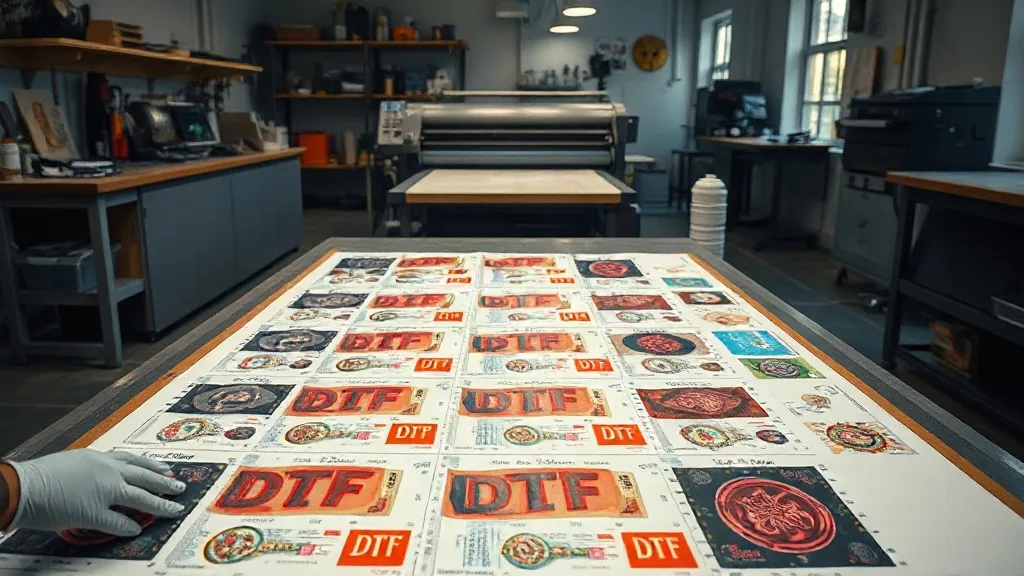
If you run a DTF printing business, you already know that film is one of your biggest recurring costs. But are you using every square inch of your DTF Gangsheet efficiently? Many shops lose money simply because they don't plan their gangsheets strategically. In this guide, we'll share actionable advice to help you reduce waste, choose the right film, and get more prints from every sheet, without compromising quality.
Why Smart Film Use Matters
DTF printing relies on PET film coated with a release layer. Each sheet you run through the printer costs money, from the film itself to the ink and powder. When you waste film, you're literally throwing away profit. But smart film use isn't just about saving money; it also reduces your environmental footprint and helps you deliver orders faster by avoiding reprints.
In a typical small-to-medium shop, film can account for 20-30% of production costs. By optimizing your gangsheets, you can cut that significantly. The key is to treat every sheet as valuable real estate.
Planning Your Gangsheet for Maximum Efficiency
The layout of your gangsheet determines how much film you waste. Here's how to plan better:
1. Nesting and Grouping
Nesting means arranging smaller designs around larger ones to fill gaps. Most RIP software includes nesting tools, but manual adjustment often yields better results. Group similar colors together to reduce ink changes and improve consistency. Also, consider the grain of the film; some films have a directional coating, so align your designs accordingly.
2. Use Every Inch
Don't leave large empty margins. If you have a small order, combine it with other pending jobs. Many shops run "fillers" like small logos or standard sizes (e.g., left chest prints) to utilize leftover space. These can be stock items or upsells to customers.
3. Mind the Gaps
Leave enough space between designs for cutting and powder application. Typically, a 0.25-inch gap is sufficient. But don't overdo it; excessive spacing wastes film. Find the sweet spot through testing.
Choosing the Right Film for Your Shop
Not all DTF films are created equal. The film you choose affects adhesion, durability, and even ink consumption. Here's what to consider:
Film Thickness
Thinner films (e.g., 75 micron) use less ink and powder, but may be more prone to curling. Thicker films (100 micron) are more forgiving but cost more per square meter. For most shops, a mid-range film offers the best balance.
Hot Peel vs. Cold Peel
Hot peel films allow you to peel the transfer immediately after pressing, speeding up production. Cold peel films require cooling, which can slow you down but often provide a softer hand. Choose based on your workflow and customer preferences.
Compatibility with Inks and Powder
Test your film with your specific ink and powder. Some films have poor adhesion with certain ink brands, leading to cracking or fading. Always request samples before committing to a bulk order.
Cutting Costs Without Cutting Corners
Smart film use isn't about buying the cheapest film; it's about maximizing value. Here are practical tips:
- Buy in bulk: Negotiate with suppliers for volume discounts, but only if you have proper storage to prevent moisture damage.
- Reuse waste: Small scraps can be used for tiny designs like sleeve prints or tags. Keep a bin for offcuts and use them for test prints.
- Maintain your printer: A well-maintained printer produces fewer misprints, saving film and ink.
- Train your staff: Ensure everyone knows how to load film correctly and handle it gently to avoid creases.
Common Mistakes to Avoid
Even experienced shops make these errors:
- Overfilling the sheet: Cramming too many designs can lead to cutting errors and powder contamination.
- Ignoring film orientation: Printing on the wrong side wastes an entire sheet.
- Using expired film: Film has a shelf life; old film may not adhere properly.
- Neglecting humidity control: Moisture affects film performance and ink curing.
Frequently Asked Questions
How can I calculate the cost per print on a DTF gangsheet?
Divide the total cost of the sheet (film, ink, powder, labor) by the number of designs printed. For accurate results, include overhead like printer depreciation and electricity. Use a spreadsheet to track costs over time.
What's the best way to store DTF film to prevent waste?
Store film in a cool, dry place away from direct sunlight. Keep it in its original packaging or a sealed container to prevent moisture absorption. Avoid stacking heavy objects on top.
Can I use a DTF gangsheet for small orders?
Yes, but combine multiple small orders on one sheet to maximize efficiency. If you don't have enough designs, consider printing stock items or offering discounts for customers who wait for a combined run.
How do I choose the right film thickness for my shop?
Consider your printer's capabilities, typical design complexity, and customer preferences. Thinner films save money but require more careful handling. Test different thicknesses to see what works best for your workflow.
What is the ideal gap between designs on a gangsheet?
A gap of 0.25 inches (6.35 mm) is generally sufficient for cutting and powder application. However, this can vary based on your cutter and powder shaker. Run tests to determine the minimum gap that works for your equipment.
By implementing these strategies, you'll not only reduce waste but also improve your bottom line. Remember, smart film use is a continuous process; regularly review your gangsheet layouts and film choices to stay efficient.